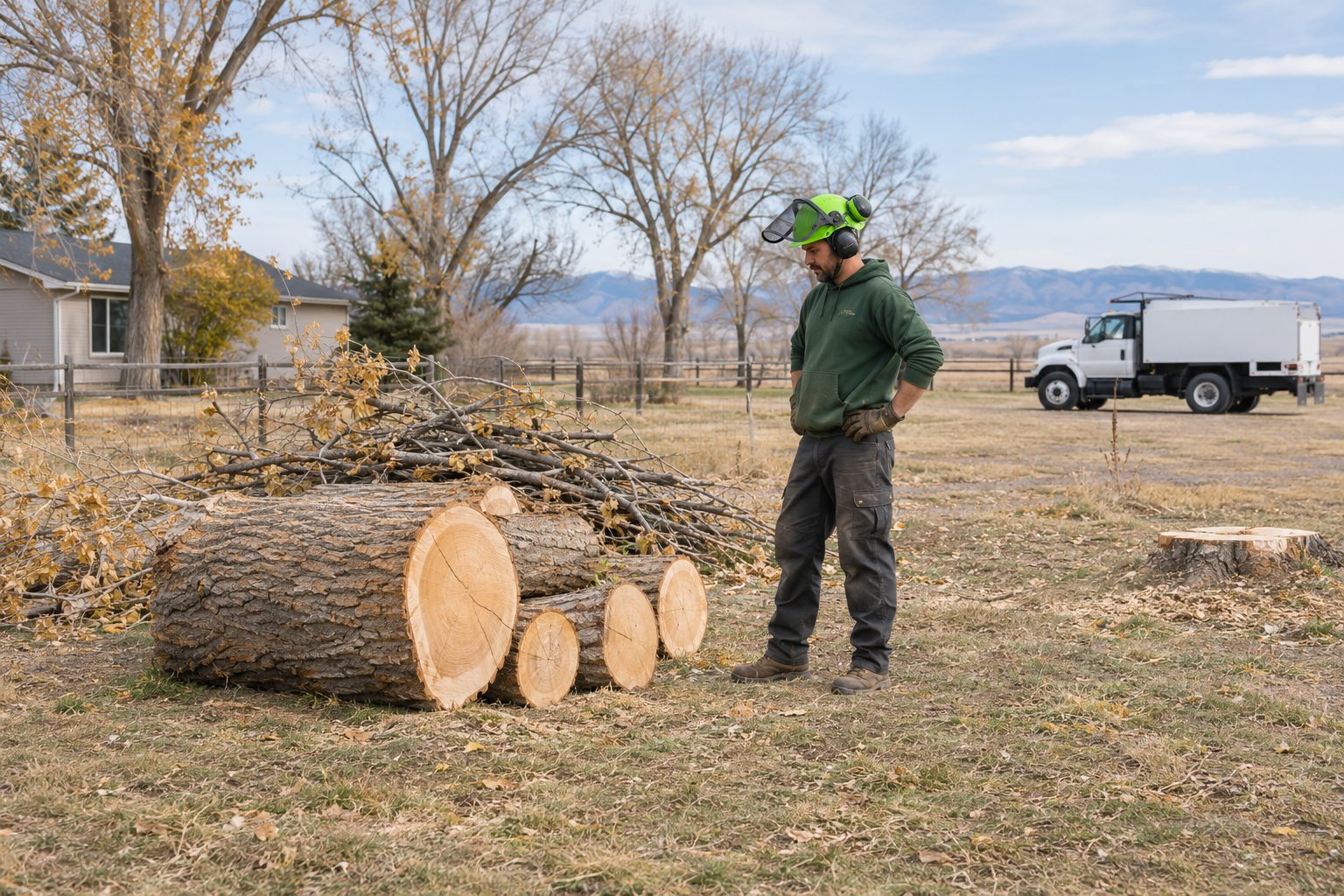
Hazardous and Storm-Damaged Trees
Emergency and Hazardous Tree Removal
Concerned about an unstable tree? Call Anytime or Request a Tree Quote. Availability varies.
Calls and quote requests welcome 24/7. Callbacks and on-site availability vary.
When a Damaged Tree Creates a Safety Concern
A split trunk, hanging limb, storm-damaged tree, or tree leaning toward a structure can create a situation that needs careful attention. Alamosa Tree Removal accepts requests involving hazardous trees in Alamosa and across the San Luis Valley. The first priority is keeping people away from the danger while the situation is evaluated.
Call anytime or submit a quote request 24/7. Callbacks and on-site availability vary. If there is an immediate threat to life, contact emergency services. If a tree is contacting a power line, stay away and contact the utility.
Alamosa Tree Removal Is Proud to Serve San Luis Valley
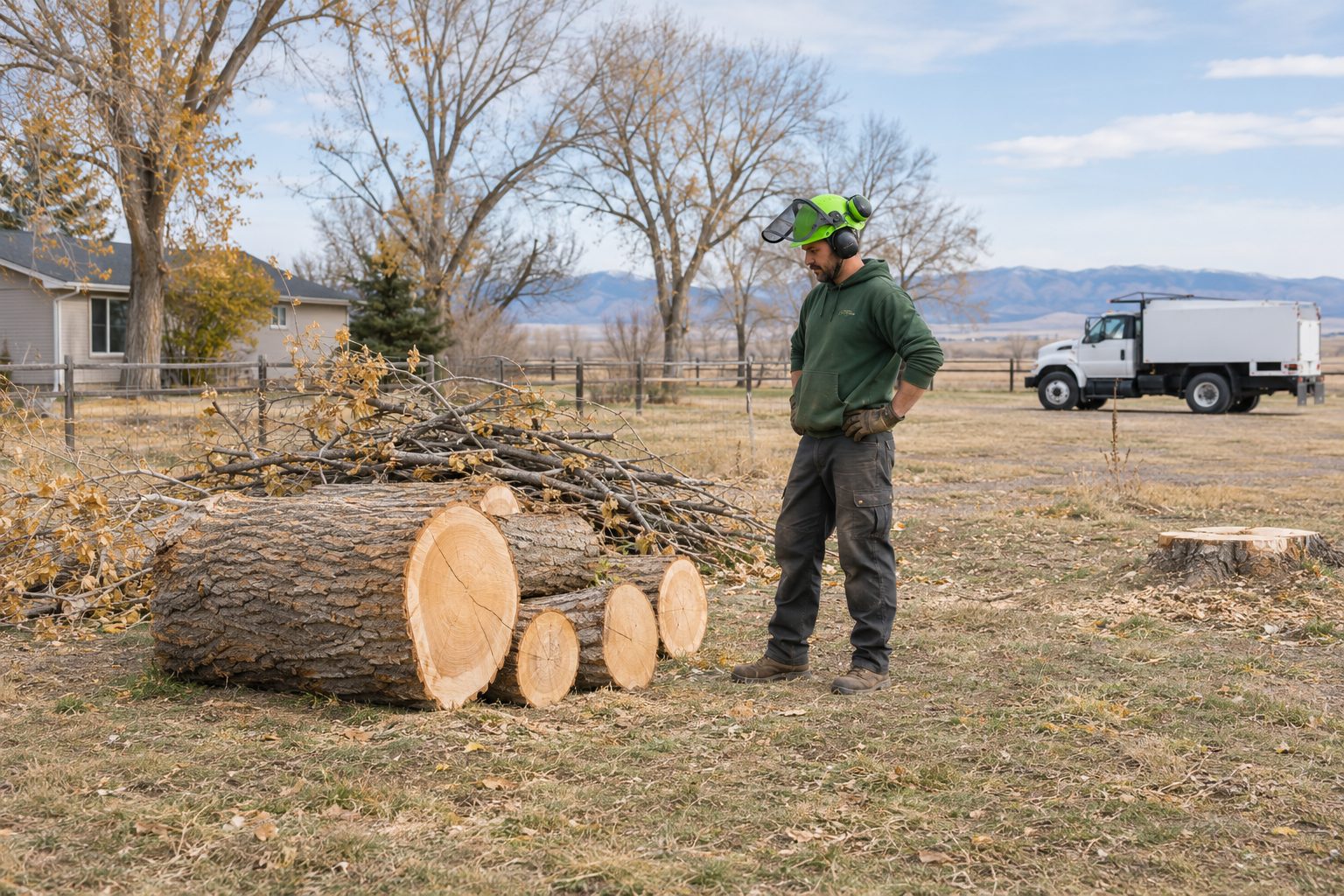
What to Do When a Tree Appears Hazardous
Hazardous tree work can be more complicated than routine removal because the tree may already be unstable. Branches can be under tension, trunks can shift, and partially broken material may fall without warning. Do not attempt to test or move damaged sections.
Keep the Area Clear
Move people and pets away from the suspected fall zone. Do not stand under hanging branches or approach a trunk with obvious splitting or movement. If the tree is resting on a structure, avoid entering affected areas until the hazard has been appropriately assessed.
Do not attempt to cut a tree that is under tension or supported by another object. A partially fallen tree may release suddenly when a supporting branch or trunk section is disturbed.
Storm-Damaged Trees
Wind, snow, and other weather conditions can leave branches broken or trunks compromised. A tree may remain standing even though part of its structure is damaged. Not all damage is visible from the ground, and a short description cannot establish whether the tree is safe.
When submitting a request, describe what happened, the approximate location of the damage, and whether the tree or limbs are resting against another object. Remain in a safe area while communicating.
Trees Leaning Toward Structures
A leaning tree may create concern when it points toward a building, driveway, fence, or area used by people. A lean alone does not establish whether a tree is about to fail. Recent movement, exposed roots, soil displacement, trunk damage, and other changes may be relevant to a professional evaluation.
Do not dig around roots or try to straighten the tree yourself. Describe changes you have noticed without approaching unstable ground or material.
Broken and Suspended Limbs
Large branches can remain caught in the canopy after breaking. These limbs may appear stationary but can move unexpectedly. Ground-level pulling, shaking, or cutting is dangerous.
Keep the affected area clear and explain whether the limb is above a roof, vehicle access, walkway, or another occupied area. The provider will determine whether the request is within their capabilities and what methods are appropriate.
Trees and Electrical Lines
Treat electrical conductors and any tree material contacting them as potentially energized. Stay clear of fallen or sagging wires, trees touching wires, and nearby conductive objects. Contact the electric utility for assistance.
Do not assume an ordinary tree removal provider is authorized or equipped to work around energized utility lines. Appropriate utility coordination may be necessary before other work can proceed.
What an Urgent Request Should Include
Provide your town, the general location of the tree, the visible damage, whether structures or access routes are affected, and whether utility lines are involved. Explain if anyone is at immediate risk, but do not delay contacting emergency services when necessary.
A provider may need additional information or an on-site assessment before determining the scope. Weather, access, safety conditions, travel, and existing commitments may affect acceptance and scheduling.
Storm-Damaged Tree Requests
Storm damage may involve broken tops, fractured branches, exposed roots, or trunks that have shifted. The remaining tree can be unstable even when the damaged material appears to have stopped moving. Stay out of the affected area and avoid clearing large debris that may be supporting another section.
Describe the damage and nearby hazards when submitting your request. The provider must determine whether the project can be accepted and what preparation or coordination is necessary. Emergency availability is not guaranteed.
Leaning or Unstable Trees
A tree leaning toward a building or heavily used area can be concerning, particularly when the position appears to have changed. Visible root movement, splitting, or trunk damage may add to the concern. Do not try to brace, pull, or straighten an unstable tree yourself.
Explain the location and any changes you have noticed. The appropriate response depends on professional evaluation, surrounding hazards, and the work methods available to the provider.
Large Broken and Hanging Limbs
A major limb hanging above a yard, driveway, roof, or access route can pose a falling-object hazard. It may be caught in other branches or held under tension. Keep the area below clear and do not attempt to dislodge it.
When requesting assistance, describe the limb's approximate size and what lies beneath it. The provider can assess whether targeted limb removal or broader tree work should be considered.
Trees Affecting Structures
A fallen or partially fallen tree may affect a roof, fence, outbuilding, or another part of a property. The tree's weight and position can complicate removal, especially when sections remain suspended or under tension. Avoid disturbing material that is bearing against the structure.
If the structure may be unsafe, seek appropriate emergency assistance. A tree-service provider must evaluate access, stability, and any necessary coordination before developing a removal plan.
What Affects Hazardous Tree Removal Costs?
Tree stability, storm damage, access limitations, nearby structures, utility coordination, cutting complexity, travel, debris handling, and provider availability can affect scope and cost. An urgent request does not guarantee dispatch, immediate service, or a particular price.
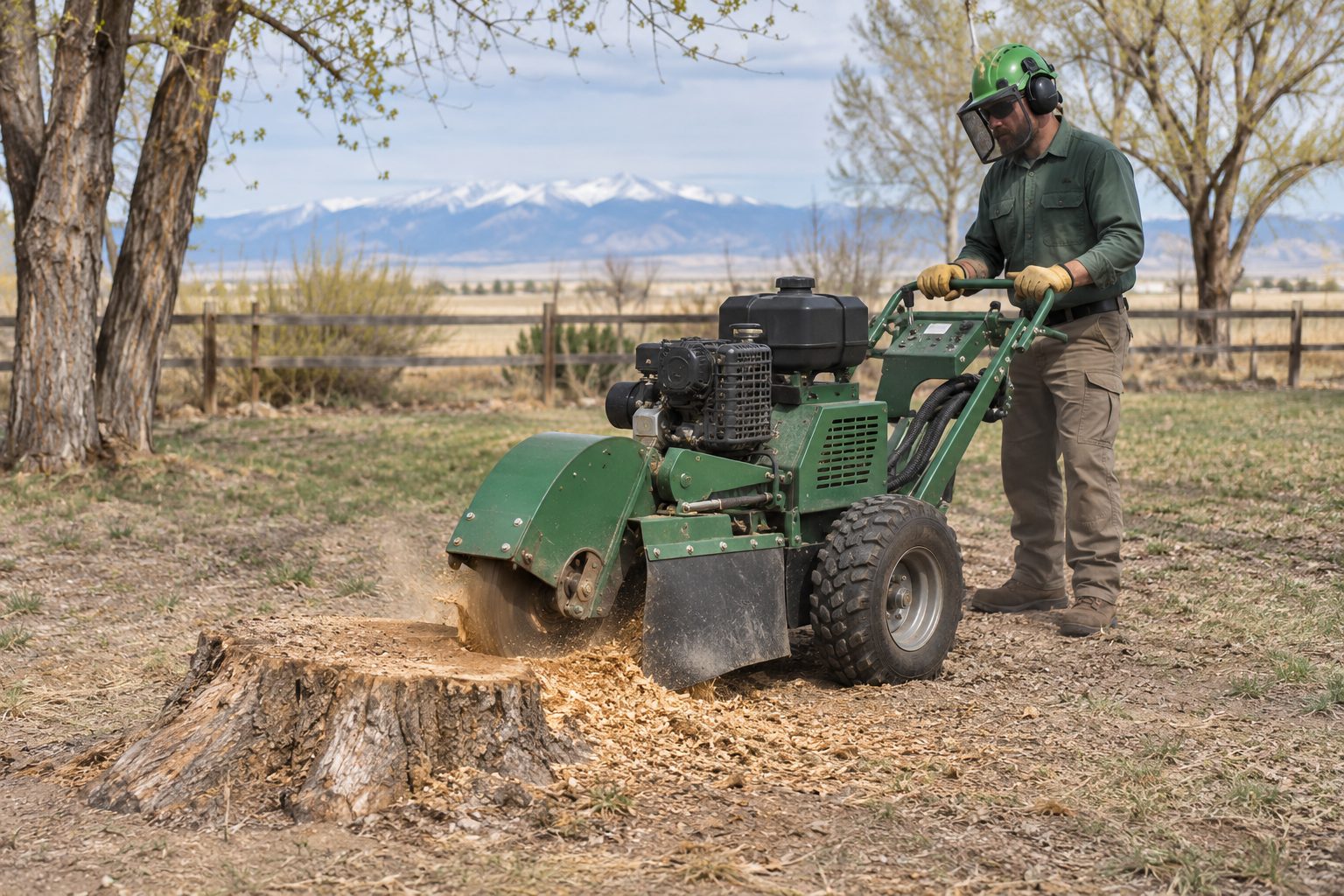
Why Choose Us for Emergency and Hazardous Tree Removal?
Hazard Details First
Requests can identify the visible damage, surrounding risks, and affected structures before scope discussions begin.
Safety-Focused Guidance
Property owners are encouraged to keep clear of unstable material and contact utilities or emergency services when appropriate.
Clear Availability Expectations
Calls and quote requests are welcome at any hour, but provider callbacks, job acceptance, and on-site availability vary.
Tell Us About Your Tree Project
Concerned about a damaged or unstable tree? Call Anytime or Request a Tree Quote. Callbacks and on-site availability vary. For immediate danger, contact emergency services.
Calls and quote requests welcome 24/7. Callbacks and on-site availability vary.
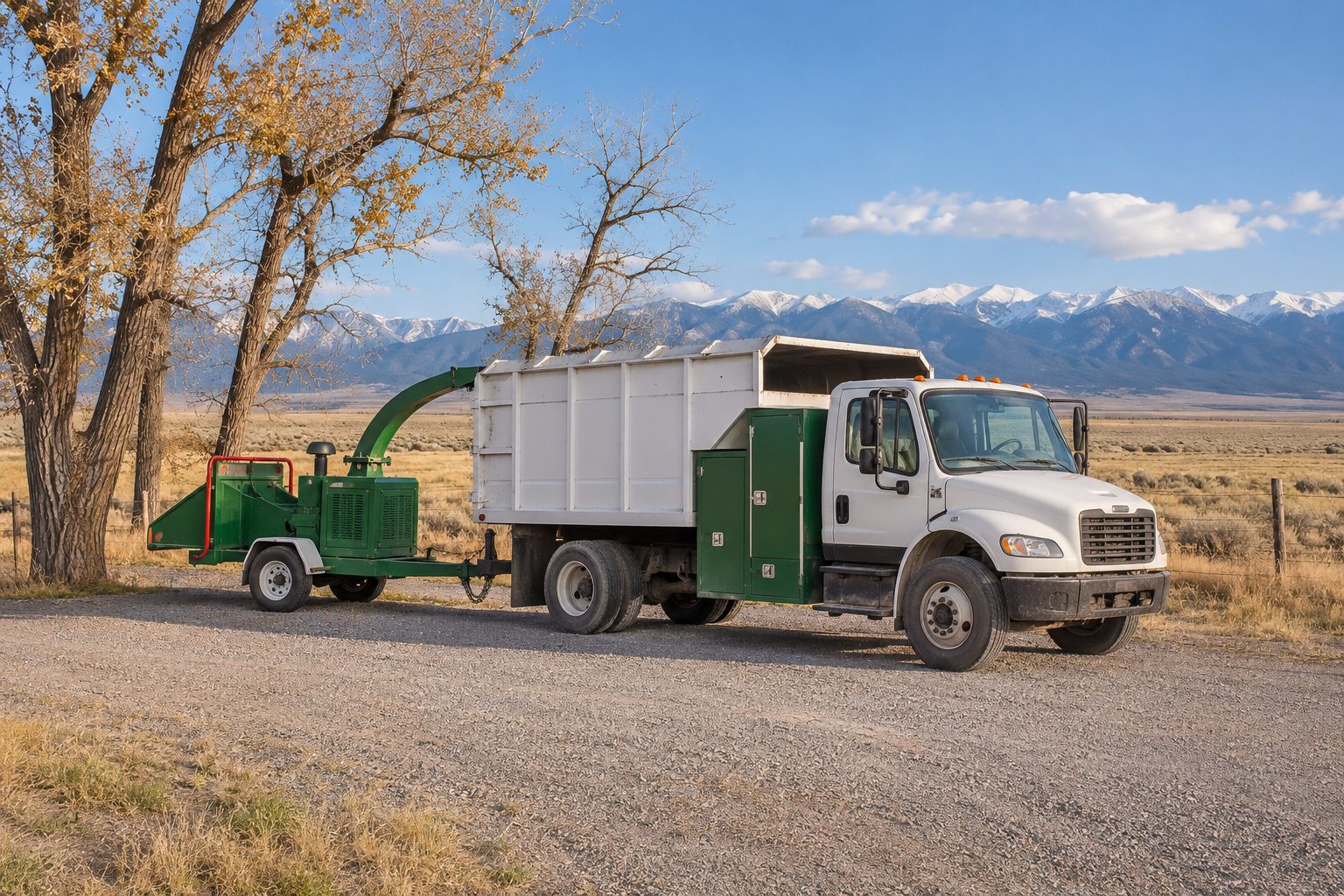
How to Submit a Hazardous Tree Request
Protect People First
Keep the affected area clear. Contact emergency services for immediate threats and the utility for electrical hazards.
Describe the Situation
Explain the damage, the tree's position, and any nearby structures or affected access areas.
Submit the Request
Call anytime or use the quote form. Calls and quote requests are welcome 24/7. Callbacks and on-site availability vary.
Provider Evaluation
If an tree-service professional is available, the provider determines whether the job can be accepted, assessed, and scheduled.
Confirm Scope and Timing
Review the proposed work, safety conditions, cleanup, cost, and scheduling before authorizing work.