Tree Removal | Alamosa and San Luis Valley
Tree Removal Services: Cutting and Cleanup
Tell us about the tree and the work area. Request a Tree Quote or Call Anytime.
Calls and quote requests welcome 24/7. Callbacks and on-site availability vary.
Tree Removal Starts With a Safe, Practical Plan
Removing a tree requires more planning than deciding where it should fall. The tree's condition, nearby structures, branch spread, ground access, and expected cleanup all affect the work. Alamosa Tree Removal helps property owners request quotes for tree cutting and removal in Alamosa and throughout the San Luis Valley.
Whether a tree is damaged, declining, interfering with a planned project, or creating a concern near your home, describe the situation before choosing a solution. A provider can review the request, determine whether additional information or a site visit is needed, and discuss an appropriate scope.
Alamosa Tree Removal Is Proud to Serve San Luis Valley
What a Tree Removal Project May Involve
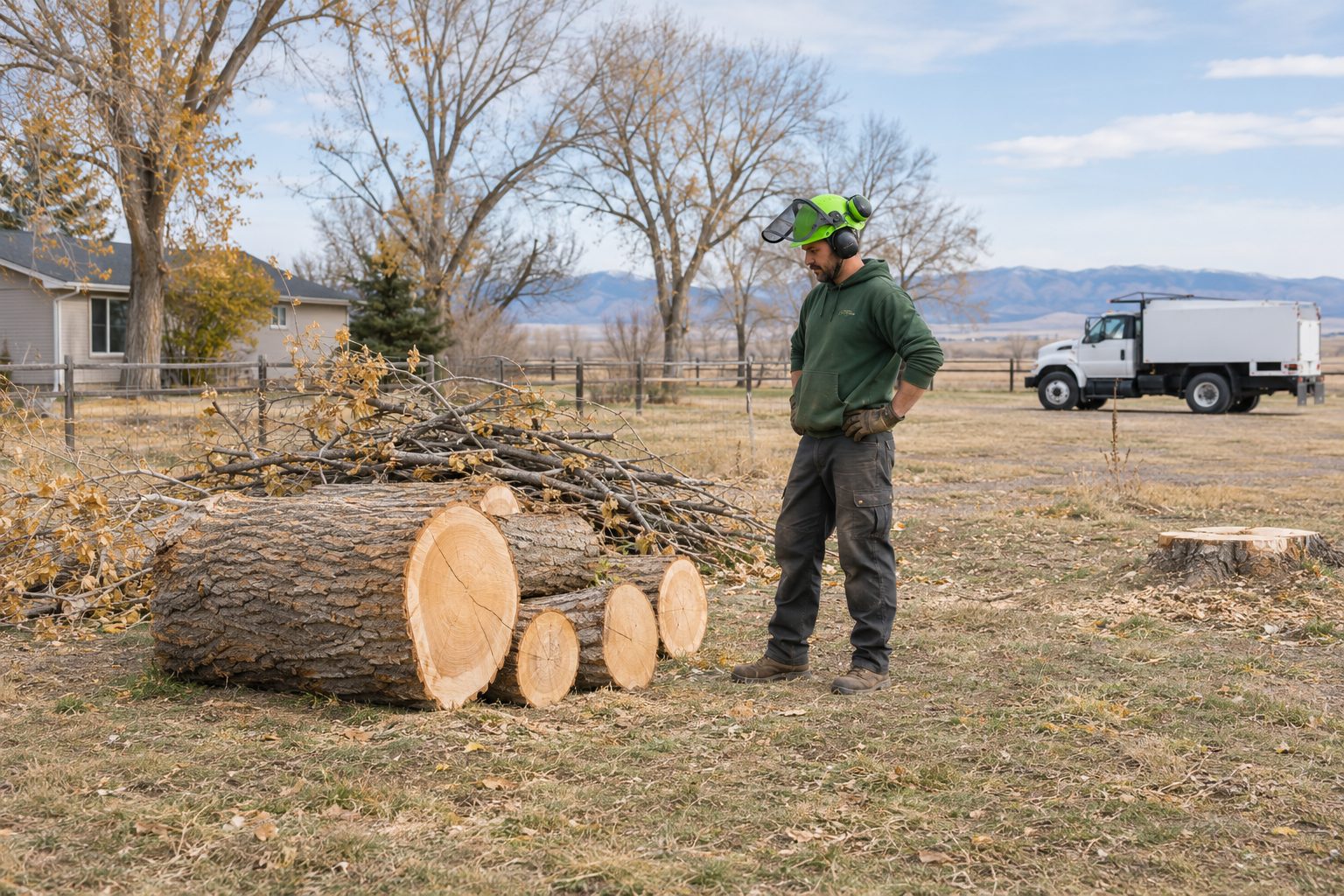
A removal plan should cover the tree itself, the surrounding work area, access, debris handling, and the condition in which the site should be left. The specific method depends on the property and the provider's assessment.
Deciding Whether Removal Is Appropriate
A property owner may request removal because a tree is dead, visibly damaged, too close to a structure, obstructing planned improvements, or no longer suitable for the space. In some cases, pruning may address the concern without removing the whole tree. In others, removal may be the more practical option.
Explain what prompted your request. If the tree is leaning, has a split trunk, or contains hanging limbs, mention those conditions without approaching or disturbing the affected area.
Planning the Cutting Area
The work area includes more than the space occupied by the trunk. Branches can extend toward buildings, fences, vehicles, neighboring properties, and overhead obstacles. A provider must determine how material can be controlled during cutting and where it can be placed.
A tree with open surrounding space may offer different options from one surrounded by structures. Sectional removal may be considered where dropping the entire tree is unsuitable. The provider determines the method after evaluating actual conditions.
Access and Ground Conditions
Driveway width, gates, soft ground, landscaping, slopes, irrigation features, and other restrictions can affect access. Tell the provider if any areas are unsuitable for heavy loads or if there are underground features you know about.
The availability of space for moving cut material can also matter. A long distance between the tree and a loading area may affect labor and cleanup arrangements.
Wood, Branches and Debris
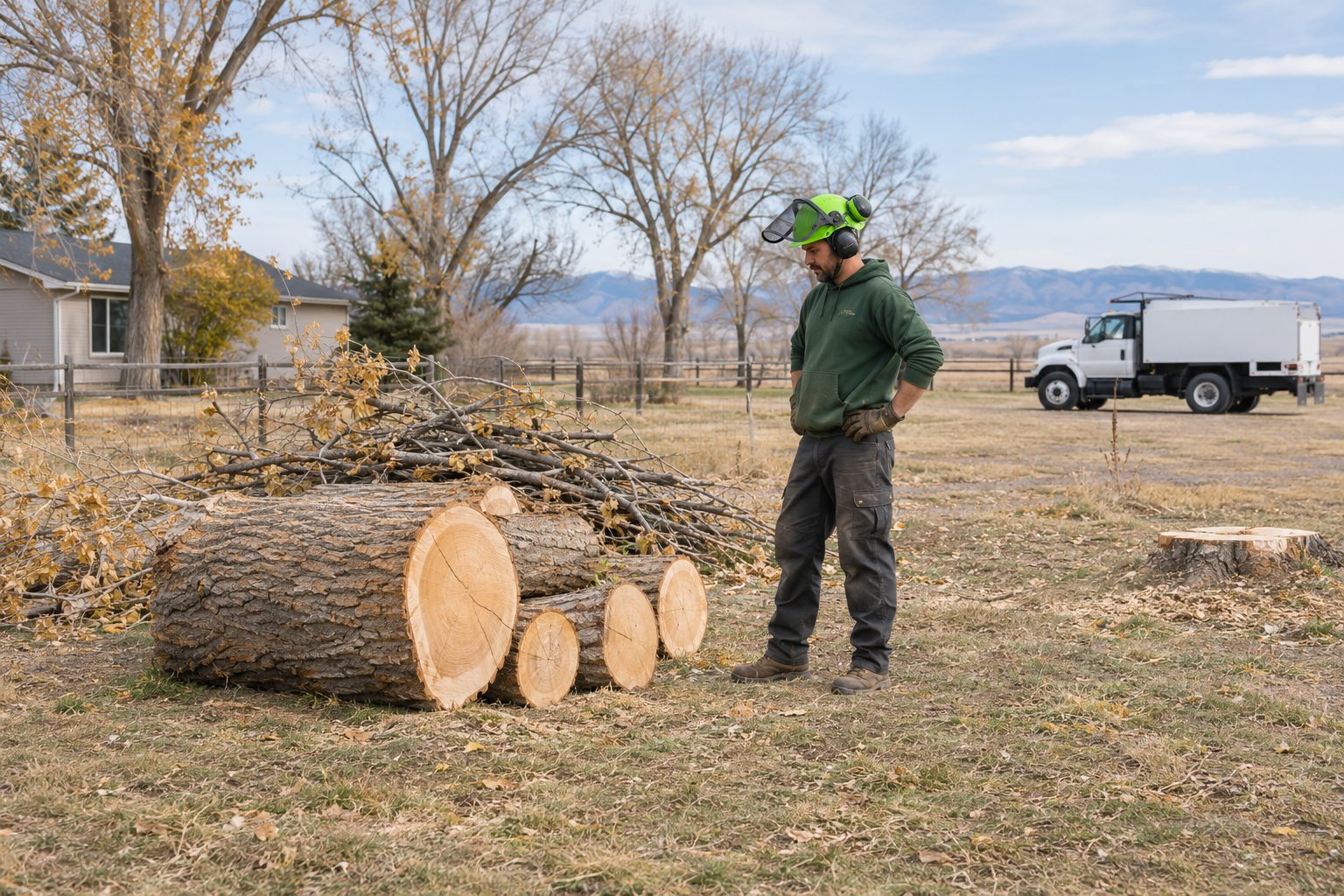
Tree removal does not automatically mean every piece of wood or debris will be hauled away. Discuss whether branches should be removed, logs left in sections, material stacked in a designated location, or the property cleared of visible cutting debris.
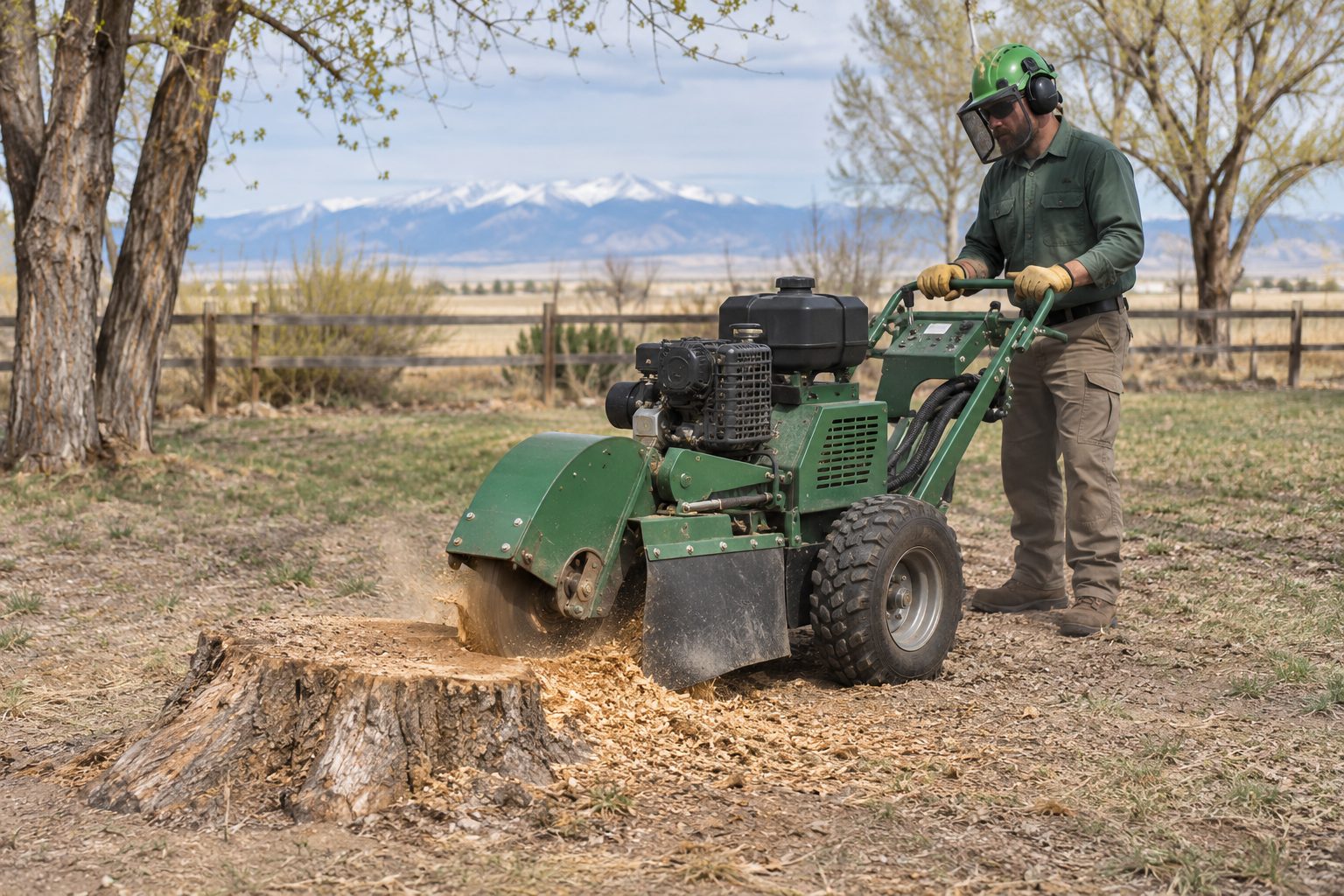
Stump grinding is typically a separate topic. Ask whether the quote includes cutting the stump close to the ground, grinding it below grade, or leaving it as-is.
Regional Scheduling and Travel
Properties throughout the San Luis Valley can involve different travel times and access requirements. Include your town and general property location when making the request. Seasonal conditions, available providers, workload, and the specifics of the job can affect scheduling.
Requesting a Removal Quote
Provide the approximate size of the tree, its location relative to buildings and lines, visible damage, accessibility, and cleanup preferences. Photographs can be useful when accepted during the provider's review process, but they do not replace an on-site assessment when one is needed.
Single Tree Removal
Removing one tree starts with identifying its size, condition, location, and surrounding obstacles. A tree beside a driveway may present different access considerations from one near a home or outbuilding. Describe the tree clearly and note any branches extending over structures or frequently used areas.
Ask the provider to explain what cutting, material handling, and cleanup are included. If you want the remaining wood left for another purpose, say so. The quote should reflect the actual scope rather than assuming that every single-tree job is alike.
Multiple Tree Removal
Projects involving several trees benefit from a clear inventory. Identify which trees should be considered, whether they are grouped together or spread across the property, and any access restrictions between them. It may help to mark the trees before the provider's review.
Multiple-tree work can involve additional planning for material staging, travel across the property, and debris handling. Ask for a scope that identifies each tree or group of trees and explains how the proposed work will be priced.
Tree Removal Near Buildings
Trees close to homes, sheds, garages, fences, and other structures require careful consideration of where branches and trunk sections can move. Nearby landscaping, roofs, exterior fixtures, and adjoining property can further limit working space. Provide as much detail as possible about the surrounding area.
The provider determines whether a controlled sectional approach or another technique is appropriate. Keep people, vehicles, and pets out of the proposed work area when work is scheduled, following the provider's safety instructions.
Dead or Declining Tree Removal
A tree showing extensive dieback, major trunk damage, or obvious deterioration may lead a property owner to consider removal. Dead and weakened material can behave unpredictably during cutting, so avoid testing branches or attempting to knock loose sections down yourself.
Describe visible symptoms and when you first noticed them. A provider can determine whether the request is within their scope and what further evaluation may be necessary before work is planned.
Tree Removal for Property Projects
A tree may need consideration when you are planning changes to a driveway, yard, fence line, or other part of a property. The desired project affects how much space needs to be cleared and whether the stump must also be addressed.
Explain your intended use of the area after removal. Ask separately about stump grinding, root interference, hauling, and final ground conditions. Those items should not be assumed to be part of standard tree cutting.
What Affects the Cost of Tree Removal?
Tree height, trunk diameter, condition, access, distance from structures, required cutting method, number of trees, travel, wood handling, and cleanup expectations affect a quote. Stump grinding and site restoration may be separate charges. Request an itemized scope from the provider.
Why Choose Us for Tree Removal?
Removal-Specific Requests
The inquiry focuses on the tree, the cutting area, potential obstacles, and the outcome you want.
Clear Cleanup Expectations
You can explain whether wood should be left, branches removed, or stump work considered separately.
Regional Property Considerations
Location, access, and travel details help a provider evaluate work across the San Luis Valley.
Quote Requests at Any Hour
Call anytime or submit a request 24/7. Callbacks and on-site availability vary.
Tell Us About Your Tree Project
Ready to discuss tree cutting or removal in Alamosa or the San Luis Valley? Request a Tree Quote or Call Anytime. Callbacks and on-site availability vary.
Calls and quote requests welcome 24/7. Callbacks and on-site availability vary.
How to Request Tree Removal
Describe the Tree
Share the location, approximate size, condition, and reason you are considering removal.
Explain the Surroundings
Mention buildings, fences, power lines, gates, access limitations, and areas needing protection.
Identify the Cleanup Scope
Explain whether you want logs left, branches hauled, stump grinding considered, or other cleanup discussed.
Provider Review
Discuss the tree, access and cleanup so the professional considering the work can explain any assessment needed.
Review the Quote
Confirm the work included, exclusions, proposed scheduling, payment terms, and any property preparation before agreeing to proceed.